
Missed Equipment Maintenance Gets Expensive Fast
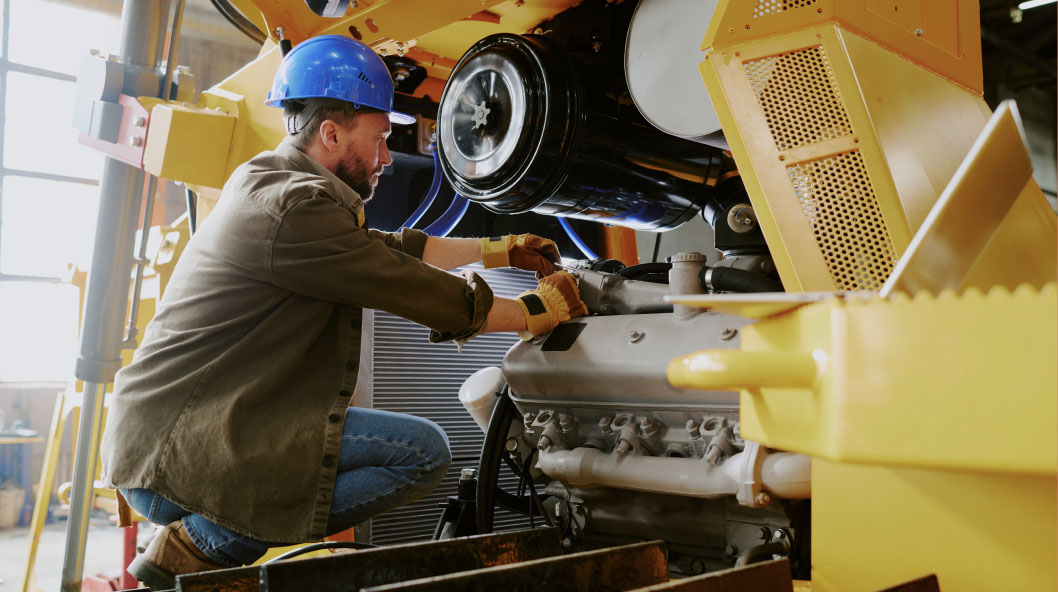
Machines that miss regular maintenance intervals average a 43% higher service cost over their lifetime compared to equipment that is properly cared for. Those units also have a 38% to 42% failure rate. It’s not a coincidence. It’s what happens when small, manageable service work is delayed until it turns into larger problems, more downtime, and longer disruptions.
Skipping equipment maintenance doesn’t eliminate cost. It kicks it down the road where it becomes bigger, less predictable, and harder to control.
Why late repairs cost more
Small problems compound.
Worn parts stress the parts around them. What a routine service visit would have caught becomes a repair involving three components instead of one.
A breakdown bills you twice.
Once for the repair, and again for everything that stops while you wait — idle operators, missed deadlines, jobs pushed back.
You lose the timing.
Planned service happens when it suits your schedule. A failure happens mid-job, far from the shop, on the machine you needed most.

What good maintenance discipline looks like
Intervals are rules, not suggestions.
Maintenance happens when it’s due, not when work slows down enough to get around to it.
Service is planned, not scrambled.
You know what’s coming, so you can book the work or line up the parts before the machine forces the issue.
History stays with the machine.
Records and interval timing are visible, so decisions come from what actually happened, not from memory.
Failures teach something.
When a machine breaks, you can see what was missed and keep the same failure from happening twice.
How STX Garage keeps maintenance from slipping
Every machine gets a QR code. Scan it and the full service history is right there — what’s been done, what’s due, what’s overdue.
Records tied to the machine, because the service history lives with the unit, not in a file cabinet or someone’s head. Intervals stay visible, so a missed service triggers action instead of sliding another month.
Scan. Track. Fix. That’s the whole system.
Quick self-check
- Do you know which of your machines are overdue right now?
- Can you pull a full service history in seconds?
- When an interval slips, does anything happen?
- Do your repair bills show planning — or reaction?
If you can’t answer those confidently, then you are likely paying more for service than you should be, and it’s time to make a change.